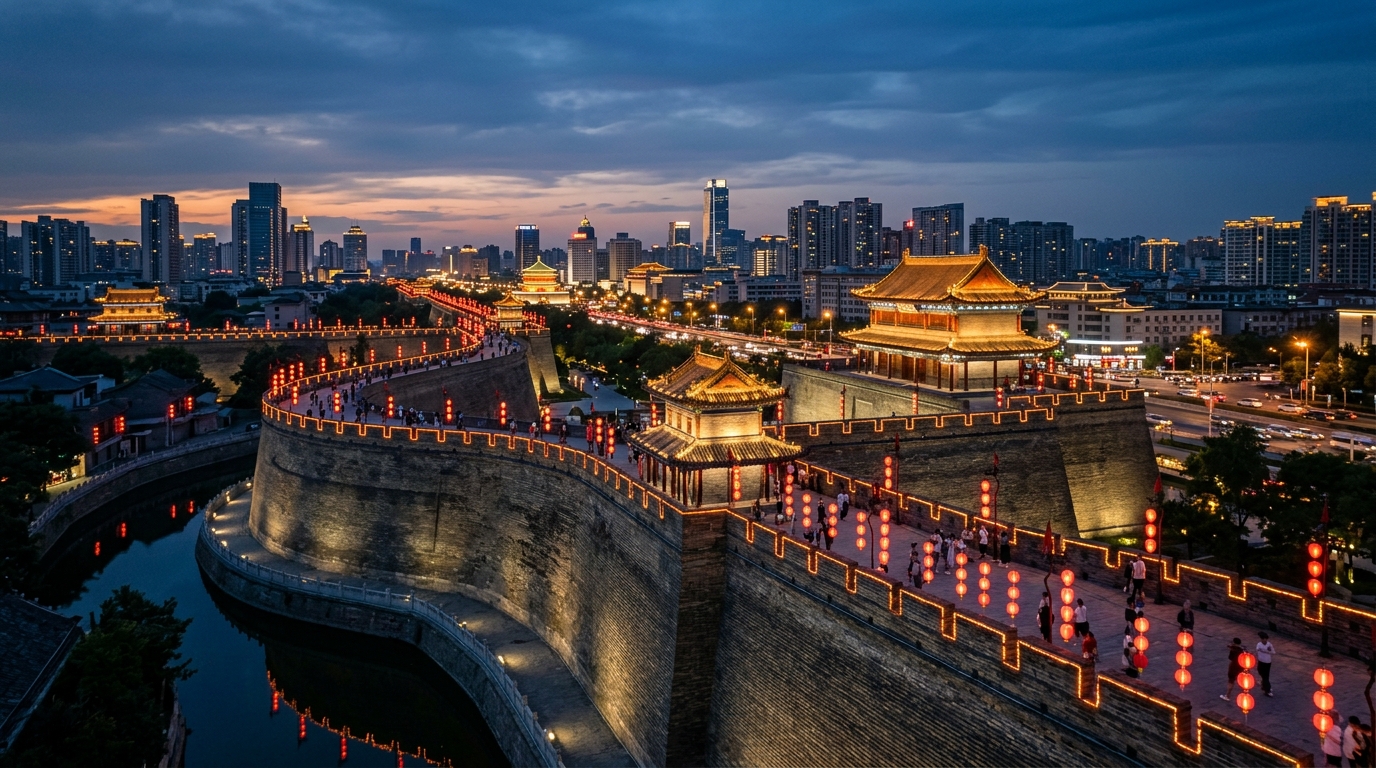
西安
Xi’an — where history breathes and flavors collide.
Why Xi’an
Because it’s home, and the start of the Silk Road.
The Silk Road began in Xi’an, and so did our families’ story — it holds a special place in both our hearts because this is where our two families first met. It’s also John’s hometown.
Beyond that, we love it. Formerly known as Chang’an, Xi'an was the capital of thirteen dynasties and the starting point of the ancient Silk Road. For centuries, traders, monks, soldiers, and cooks from Central Asia and Persia arrived here, leaving an indelible mark on the city's architecture and cuisine.
The Food Unmissable
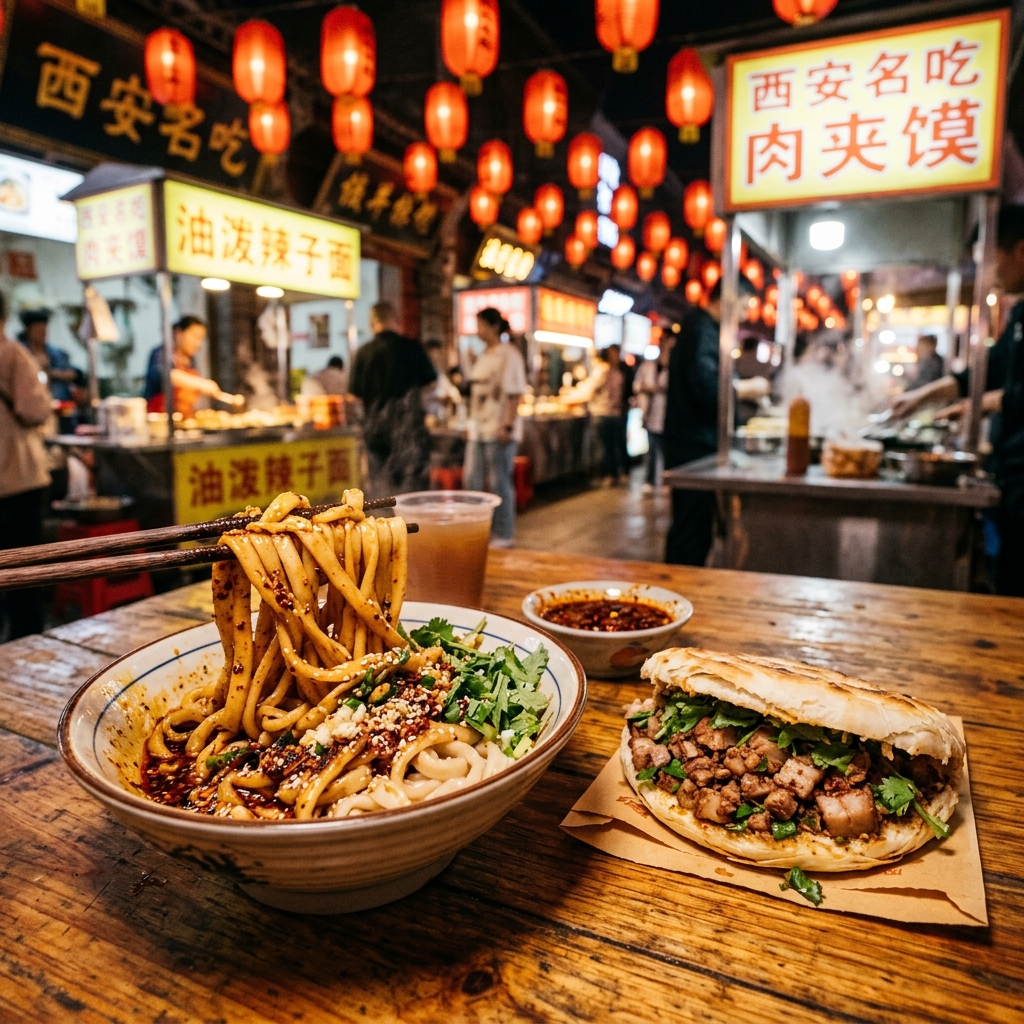
Xi'an is an absolute paradise for food lovers, famous for bold flavors, lamb, and wheat-based dishes. When you explore the bustling Muslim Quarter (Huiminjie), look out for:
- Roujiamo: The Chinese burger. Slow-cooked, deeply flavorful meat (often beef or lamb) stuffed in a fresh, crispy pita.
- Biang Biang Noodles: Hand-pulled, thick, belt-like noodles slapped against the counter and served with a spicy, savory chili oil sauce.
- Yangrou Paomo: A rich, traditional mutton broth where you tear your own flatbread into tiny pieces to soak up the soup.
For more delicious recommendations, check out The Food Ranger's ultimate guide to Xi'an street food → and 150hrs in Xi’An: China’s Ancient Capital, which covers the food and the city beautifully →
The Two Days With Us
Thursday 13 and Friday 14 May — entirely at our cost, including meals.
Thursday — the old city
We start on the Ming city wall: fourteen kilometres of rampart, wide enough at the top to drive along, and among the most complete ancient walls left in China. From up there you get the whole shape of the old city at once. Then the Bell and Drum Towers at its centre, and lunch on foot in the Muslim Quarter, where the Silk Road's cooks settled and never left. In the afternoon, south of the wall, the Big Wild Goose Pagoda, built in the seventh century to house the sutras the monk Xuanzang carried back from India. That night, our welcome dinner.
Friday — the emperor's army
East of the city to the Terracotta Warriors: some eight thousand life-sized clay soldiers, each with a different face, buried to guard China's first emperor and unseen for two thousand years. On the way back, Huaqing Hot Springs at the foot of Mount Li, where Tang emperors bathed and where the Xi'an Incident of 1936 turned modern Chinese history.
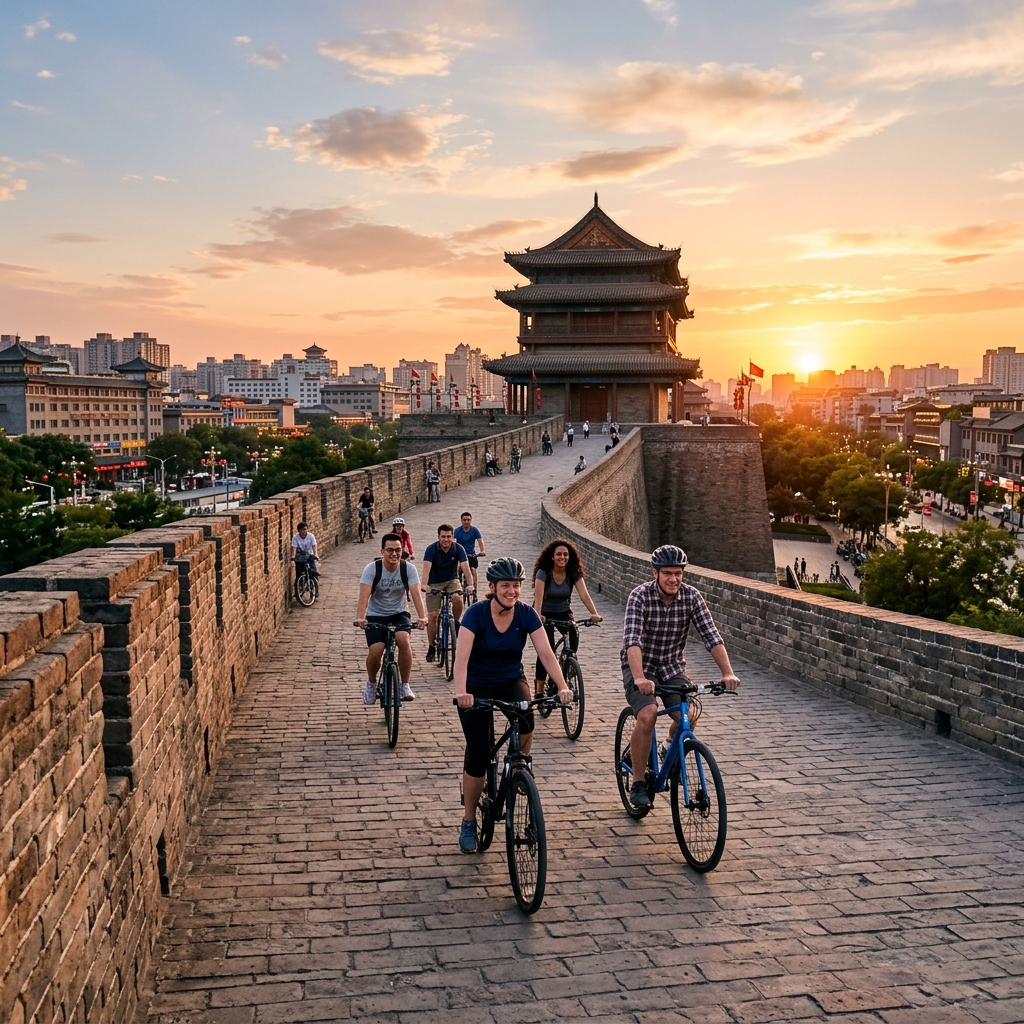
The City Wall
Walk it or hire a bicycle. We go up in the morning while it is still cool.
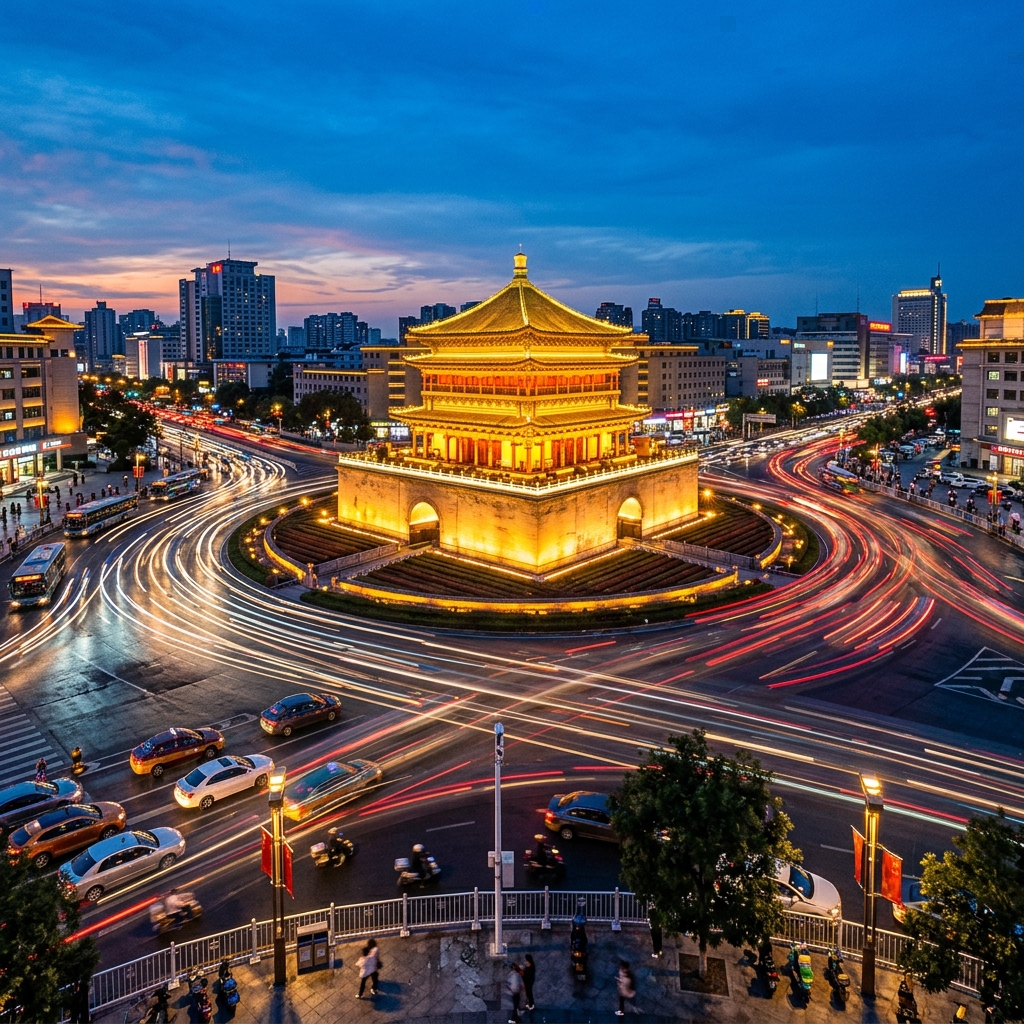
Bell & Drum Towers
The heart of the imperial grid, and beautifully lit once the sun goes down.
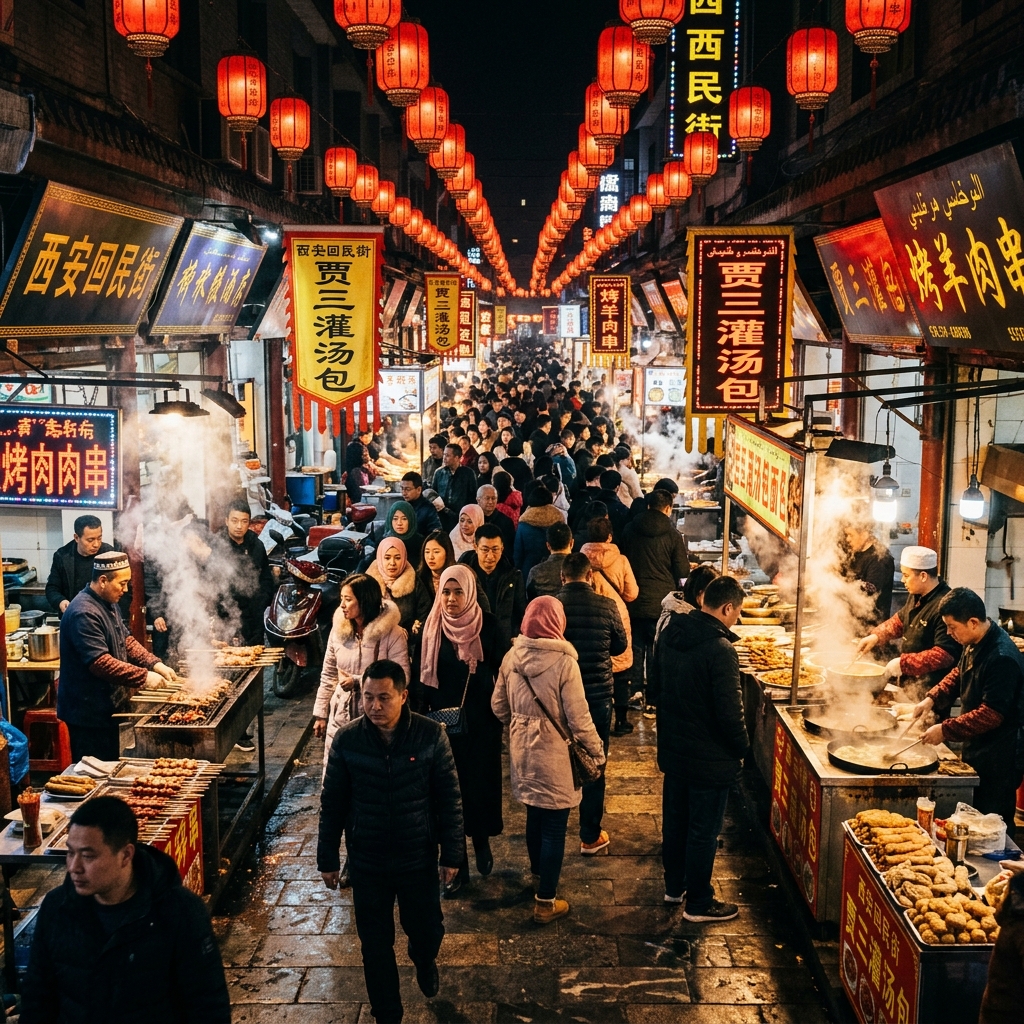
Muslim Quarter (Huiminjie)
Lanterns, crowds and the best street food in the country. Come hungry.
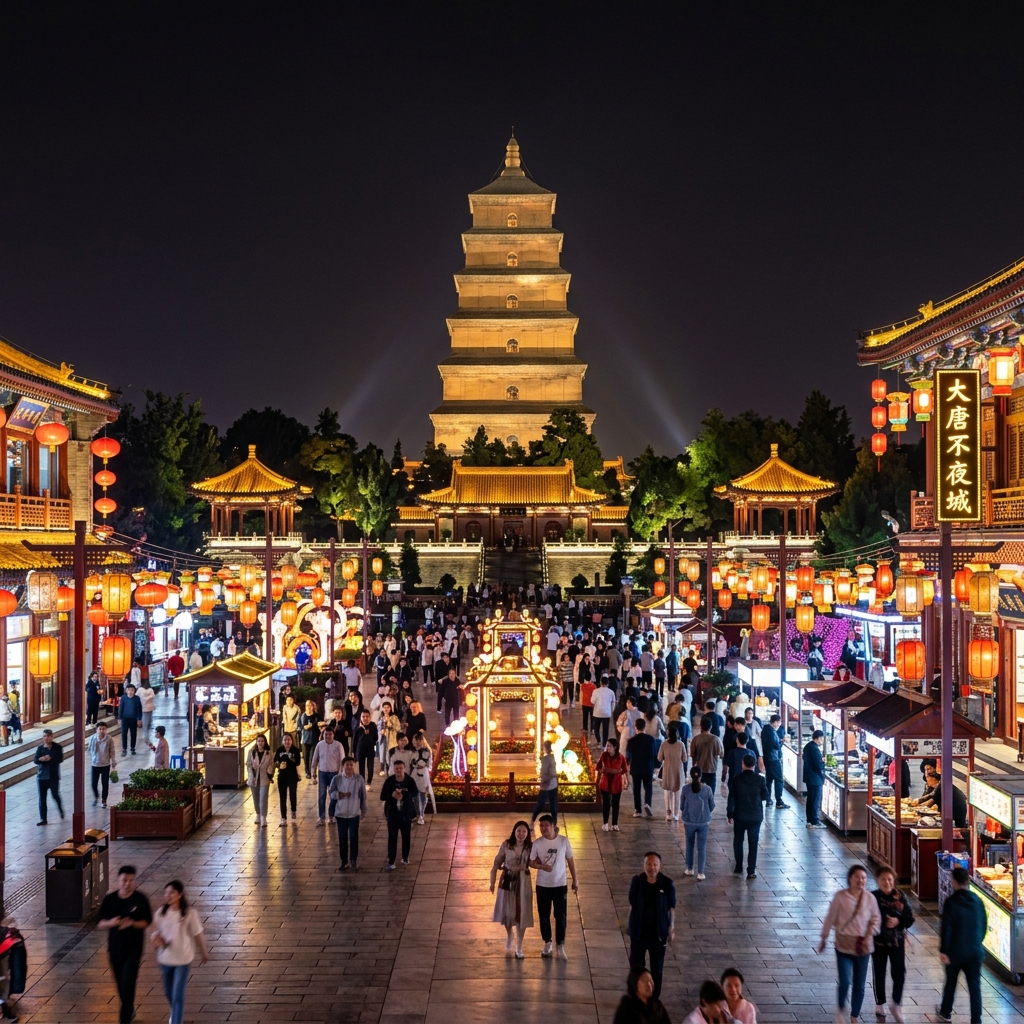
Big Wild Goose Pagoda
A Tang dynasty masterpiece, leaning slightly, standing for thirteen centuries.
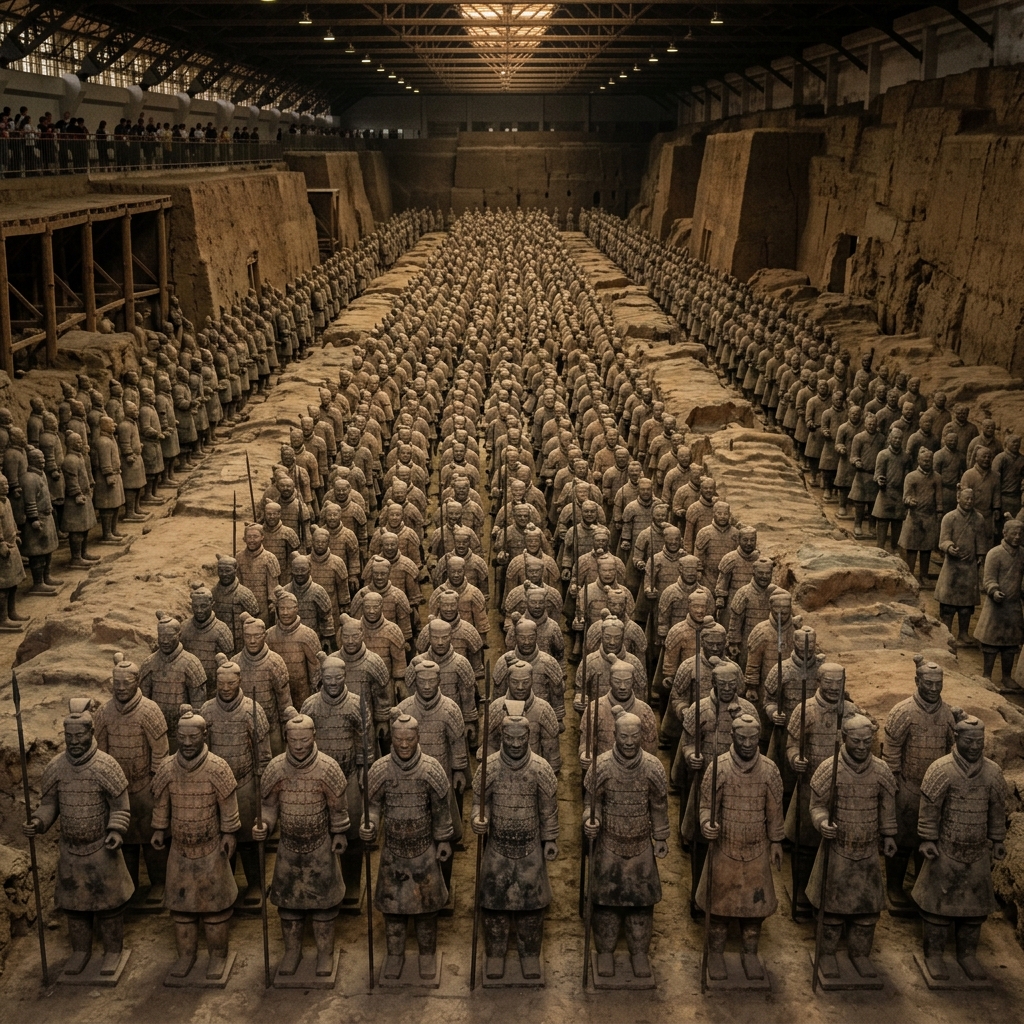
Terracotta Warriors
Bring sun protection; there is little shade at the pits.
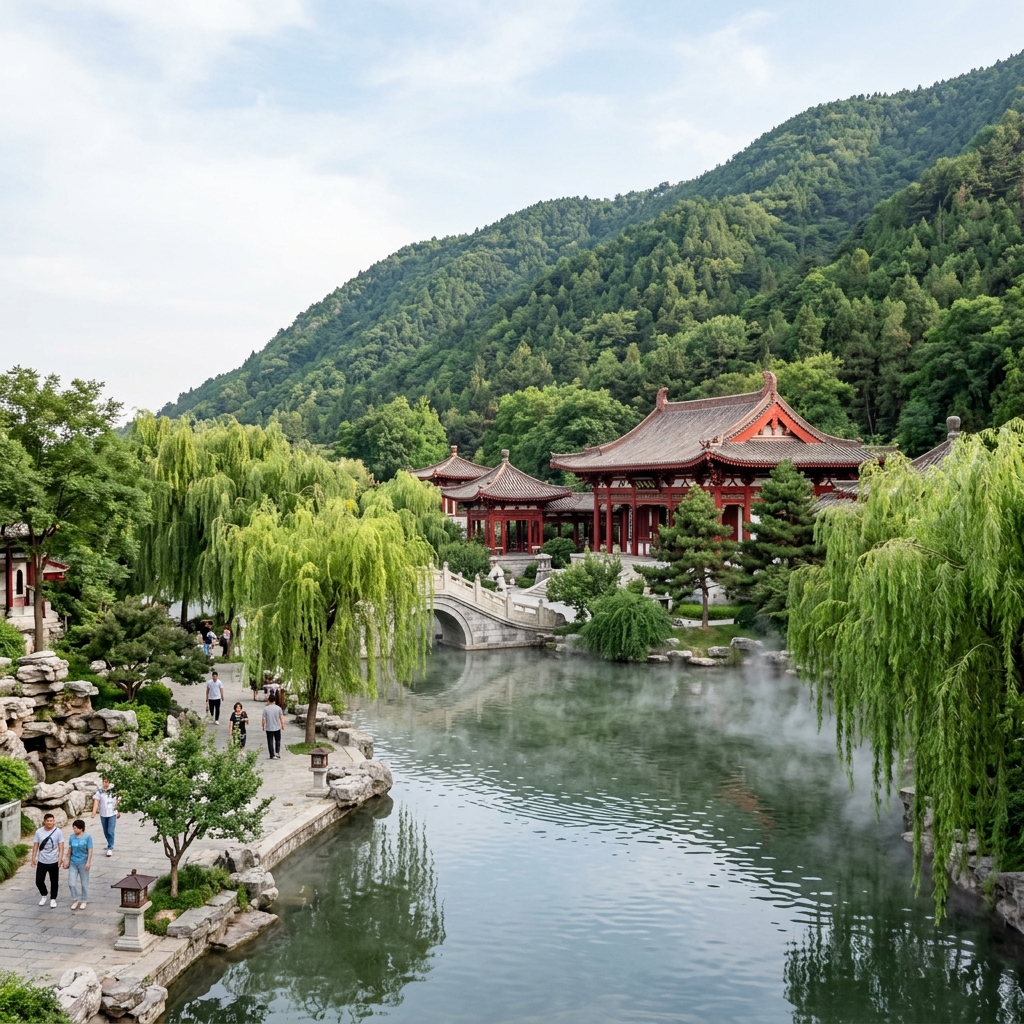
Huaqing Hot Springs
Imperial palace ruins and natural springs, and the romance of Xuanzong and Yang Guifei.
The order of the two days may shift a little nearer the time, depending on tickets and traffic. The wedding day won’t.
If You Have Extra Time
Three things the tour doesn’t reach, all worth a day or a half.
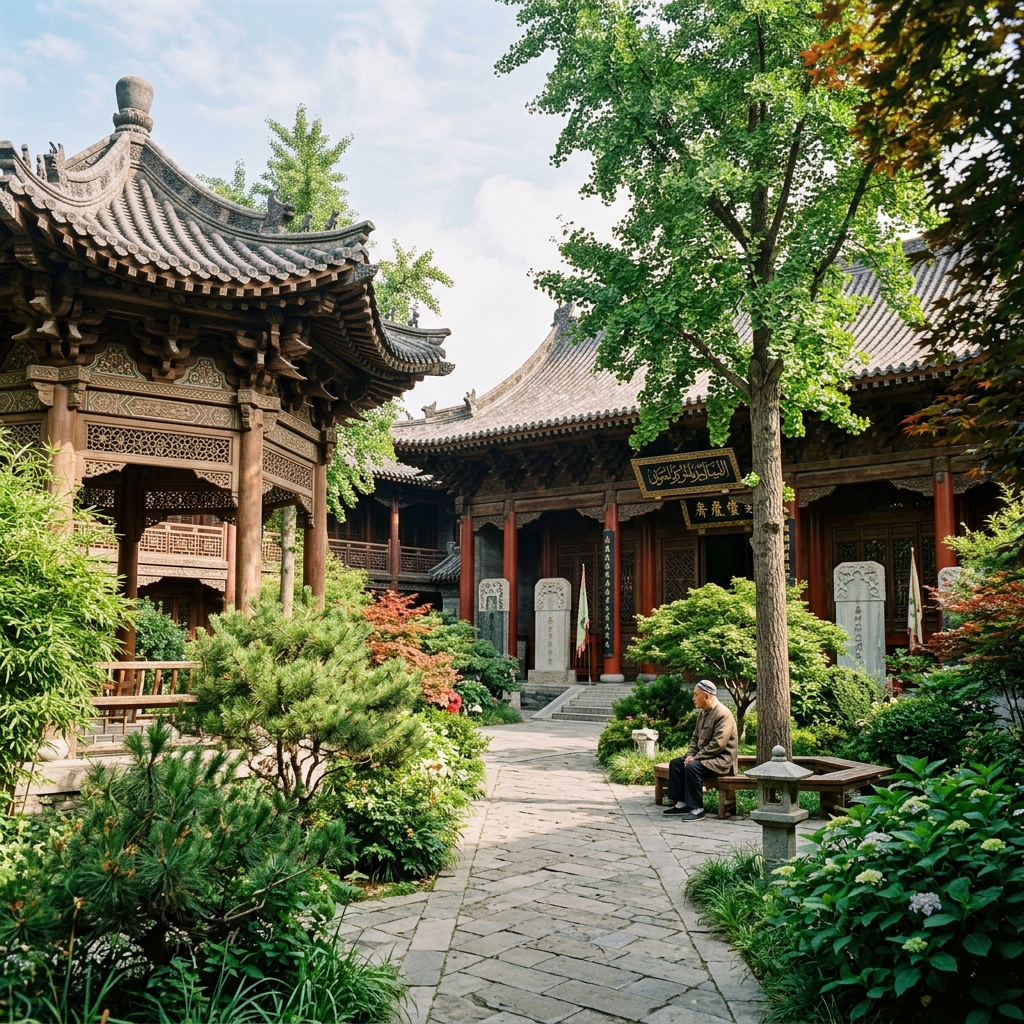
The Great Mosque
A working mosque built in the style of a Chinese temple, tucked into the lanes behind the Muslim Quarter. Quiet, and a ten-minute walk from where we eat on Thursday.
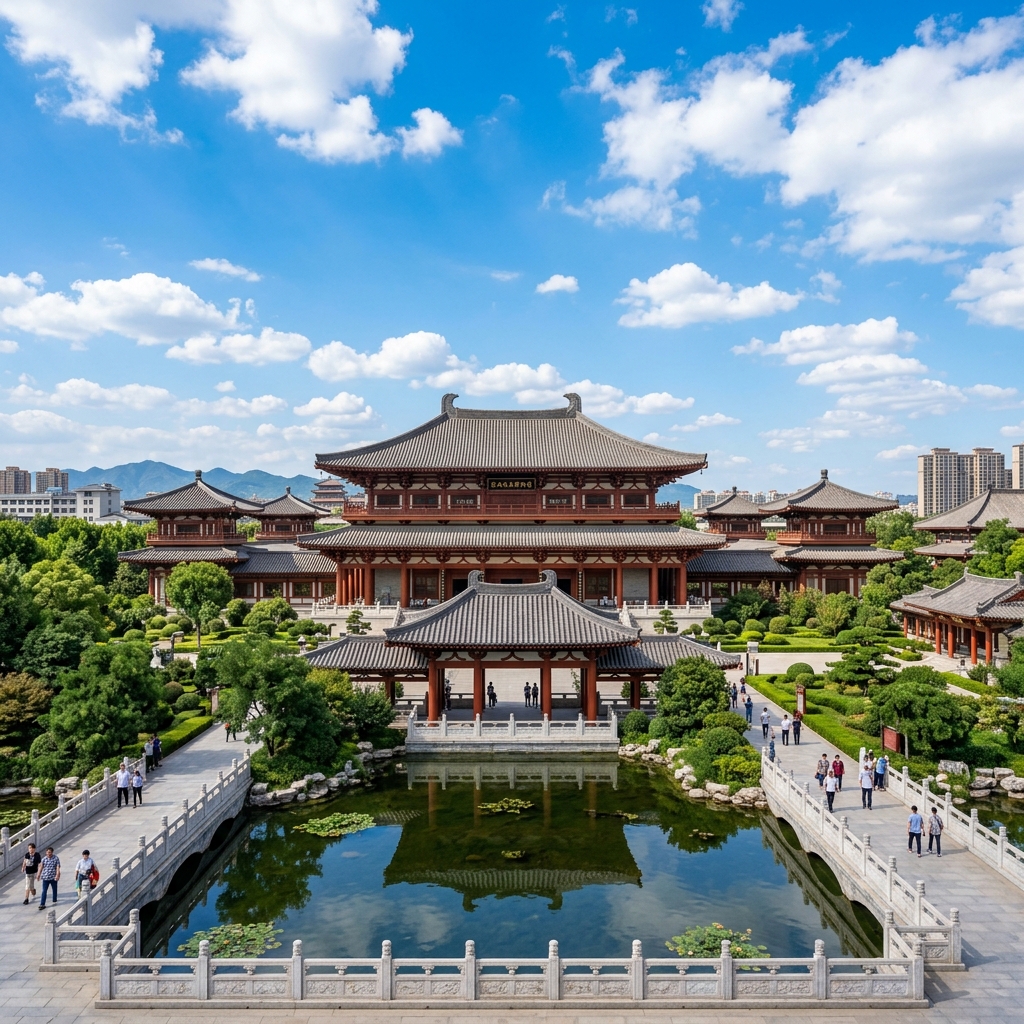
Shaanxi History Museum
The best museum in the province and one of the best in China: Tang gold, Han bronzes, murals from the imperial tombs. Free, but book a timed ticket a few days ahead.

Mount Hua (Huashan)
One of China’s five sacred mountains, about forty minutes by high-speed rail from Xi’an North. Cable cars do the climbing; the plank walk is optional and famous for a reason. A full day.
The weather
What to expect in the week of the wedding.
Mid-May in Xi’an is properly warm — daytime highs usually in the high 20s°C (low 80s°F), sometimes pushing past 30°C. Evenings drop to the mid-teens°C (high 50s°F). Rain is possible but not the norm.
Nearer the time: check the 10-day forecast for Xi’an →
Quick Travel Tips
Getting Around
The Xi'an Metro is clean, cheap, and the most efficient way to navigate the city. Download AMap (Gaode Map) or Baidu Maps, as Google Maps is often unreliable or outdated here.
但愿人长久,千里共婵娟
John & Andrea · Xi’an, 15 May 2027